When Pantry Pests Show Up: What’s Really Going On in Your Kitchen
When Pantry Pests Show Up: What’s Really Going On in Your Kitchen
It usually starts small.
You reach into the pantry to grab a box of pasta or pour a cup of flour, and something doesn’t look right. Maybe there’s a tiny bug inside the package. Maybe you notice a small moth fluttering near the cabinet. It’s easy to brush it off at first—until it happens again.
Pantry pests are a common household issue in Yates County and surrounding areas, and they often appear when homeowners least expect it.
How pantry pests get into your home
Most pantry pests don’t come from dirty kitchens or poor housekeeping. In fact, they almost always arrive inside food packaging.
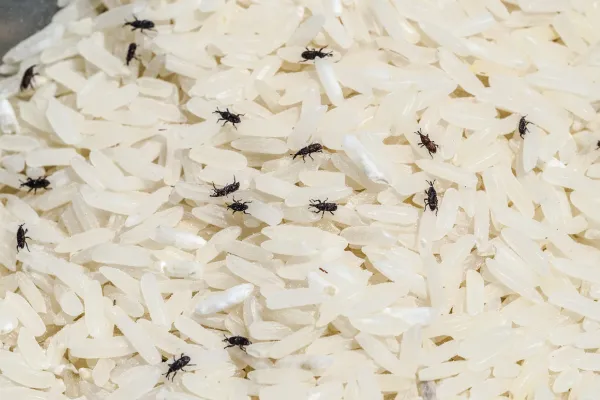
Common sources include flour, rice, cereal, pasta, pet food, and bird seed. Pantry pests—such as Indian meal moths, weevils, and flour beetles—can already be present in very small numbers or as eggs, hidden inside thin packaging. Everything looks normal at first.
Weeks later, the problem becomes visible.
Once inside a warm pantry, these pests have ideal conditions to survive and spread.
Early signs of a pantry pest problem
For many homeowners, the first sign is movement.
You might see a small beetle crawling inside a food container or notice webbing in grains or flour. Others spot tiny moths flying near cabinets or resting on ceilings. Sometimes food looks dusty, clumped, or spoiled well before its expiration date.
If pests are visible outside a food package, it usually means the infestation has already spread.
Why pantry pests spread so quickly
Pantry pests reproduce rapidly. A single infested product can lead to multiple items being affected in a short amount of time.
They don’t just stay inside food packaging. Pantry pests can hide in shelf corners, cabinet seams, screw holes, and small cracks—places that are easy to miss during routine cleaning. Eggs left behind can hatch weeks later, making it feel like the problem never fully went away.
What to do if you find pantry pests
If you suspect pantry pests, quick action helps limit the spread.
Start by removing and discarding all infested food, sealing it tightly before throwing it away. Empty the pantry completely and vacuum shelves, corners, and crevices. Wipe all surfaces with warm soapy water or vinegar. Going forward, store dry goods in airtight containers instead of their original packaging.
Avoid spraying insecticides inside pantries or cabinets. These products are often ineffective for pantry pests and can create food safety concerns.
When to call a professional for pantry pest control
If pantry pests continue to appear after cleaning—or if moths are showing up outside the pantry area—it’s a sign the infestation may be established.
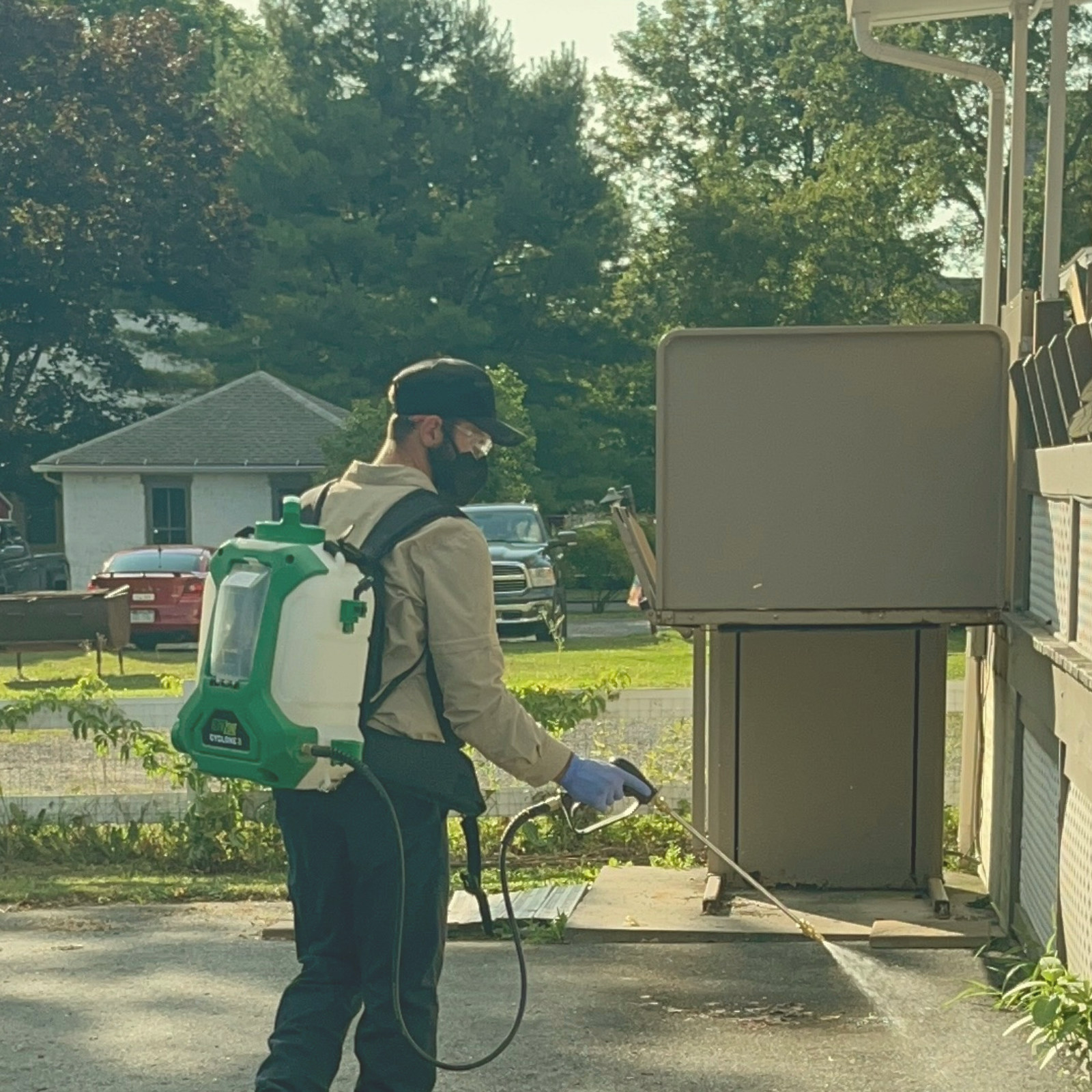
Professional pantry pest control focuses on identifying the specific pest, locating hidden breeding areas, and treating the problem safely and effectively. This approach stops the infestation at its source instead of providing short-term relief.
At Rossi Pest Control, we help homeowners throughout Yates County and nearby communities eliminate pantry pests and prevent them from returning.
Local help when pantry pests won’t go away
Pantry pests are frustrating, but they’re common—and they’re manageable with the right approach. Understanding what’s happening in your kitchen is the first step toward peace of mind.
If you’re seeing signs of pantry pests or want professional guidance, Rossi Pest Control is here to help.
📞 Call or text: 315-694-6805
📍 Serving Yates County and surrounding areas
Sometimes the biggest relief comes from knowing what you’re dealing with—and knowing help is close by.
Chris Rossi